

NORMAN ARINN
April 1, 2026
Think about the brands you instantly recognize before you even read their name.
It could be the colors, the logo, or even the way their content feels.
That instant recognition isn’t luck. It’s the result of intentional visual identity design.
For many businesses, especially growing brands, design is often treated as decoration. Something to “make things look nice.” But in reality, visual identity is one of the most powerful tools a business can use to position itself, build trust, and stay memorable in a crowded market.
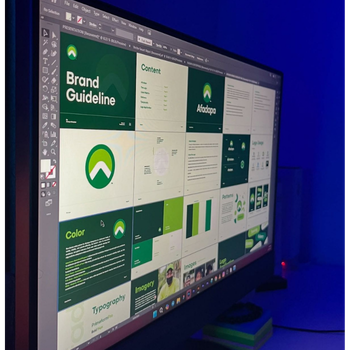
Visual identity design is the collection of visual elements that represent a brand. It’s how your business looks, feels, and communicates without saying a word.
It typically includes:
> Logo design
> Color palette
> Typography (fonts)
> Imagery and graphics
> Layout style and spacing
These elements work together to create a consistent and recognizable brand presence across all platforms—your website, social media, print materials, and more.
But more importantly, visual identity is not just about how things look. It’s about how people perceive your brand.
A common mistake businesses make is focusing only on making designs “look good.” While aesthetics matter, effective design goes much deeper.
People form opinions about your brand within seconds. Before they read your content or understand your services, they see your design.
A poorly designed brand can:
On the other hand, a strong visual identity immediately communicates:
And that first impression often determines whether someone stays or leaves.
Consistency in design signals reliability.
When your brand uses the same colors, fonts, and style across all platforms, it shows that you are intentional and established. This builds confidence in your audience.
Inconsistent design, however, creates confusion. And confusion reduces trust.
People remember visuals more than words.
Think about it—your audience scrolls through hundreds of posts daily. What makes them stop and remember you?
A distinct visual identity helps your brand stand out and stay in people’s minds long after they’ve interacted with your content.
To build an effective visual identity, every element must work together strategically—not randomly.
Your logo is often the first visual element people associate with your business.
A strong logo should be:
It doesn’t need to be overly complex. In fact, the simplest logos are often the most memorable.
Colors influence how people feel about your brand.
For example:
Choosing the right color palette helps shape how your audience emotionally connects with your brand.
Fonts do more than display text—they communicate tone.
A bold, modern font feels very different from a soft, elegant one.
Typography should be:
This includes the types of images, graphics, and layouts you use.
Are your visuals clean and minimal? Bold and expressive? Corporate and structured?
Your style should reflect your brand and appeal to your target audience.
Even the best design elements lose impact without consistency.
Consistency means:
This repetition is what builds recognition.
Over time, your audience begins to identify your brand instantly—even without seeing your name.
Visual identity is not just about branding—it directly affects business performance.
The more consistent and distinct your visuals are, the easier it is for people to recognize you.
Well-designed visuals attract attention, making your marketing more effective.
Strong design allows you to charge higher prices because your brand appears more valuable.
Many businesses struggle with visual identity because of a few key mistakes:
Visual identity design is not just about looking good—it’s about being understood, remembered, and trusted.
In a world where attention is limited and competition is high, your brand’s visual identity can be the difference between being ignored and being chosen.
If you want your business to grow, stand out, and build lasting connections, investing in a strong and consistent visual identity is not optional—it’s essential.

ARINN VISUALS is a creative agency offering graphic design, social media management, and web design services that help brands grow and stand out.
Copyright by ARINN VISUALS. All rights reserved.