

NORMAN ARINN
April 13, 2026
Design trends come and go but not all of them matter.
Some are just visual hype. Others quietly reshape how brands communicate visually through visual identity design and how audiences respond.
The challenge for most businesses isn’t just knowing what’s trending it’s knowing what’s worth paying attention to and what actually improves how your brand is perceived.
Because following every trend blindly can make your brand look confused.
But ignoring all trends can make it feel outdated.
The balance is where strong brands stand
A lot of people think trends are about “keeping things fresh.”
That’s part of it but the deeper reason is this:
Design trends reflect how people are currently consuming and responding to visuals.
As user behavior changes, design evolves with it.
So when a trend becomes widespread, it usually means:
That’s why the right trends can improve engagement not just appearance.
Minimalism isn’t new but the way it’s being used has changed.
It’s no longer just about removing elements. It’s about clarity and control.
Modern minimalism focuses on:
Instead of empty designs, you get focused designs.
People are overwhelmed with content daily. Clean visuals make it easier to process information quickly.
Text is no longer just informative it’s becoming visual.
Brands are using:
In some cases, text replaces imagery entirely.
It communicates quickly and directly, especially in fast-scrolling environments like social media.
This only works when typography is well chosen and properly spaced. Otherwise, it feels loud and unstructured.
Static design is slowly giving way to movement.
Not heavy animation but small, intentional motion like:
Movement draws attention naturally. It also makes digital experiences feel more alive and engaging.
There’s a growing shift away from overly polished, stock-looking content.
People are responding more to:
Brands that feel too “perfect” can come across as distant or artificial.
Authenticity builds relatability and relatability builds trust.
Brands are becoming more confident with color.
Instead of safe, neutral palettes, more businesses are using:
It improves visibility and makes content stand out instantly especially on crowded feeds.
Design is becoming more structured again but in a refined way.
Instead of chaotic layouts, you’ll see:
It improves readability and makes content easier to follow.
Here’s where many businesses go wrong.
They see a trend, apply it randomly, and expect results.
But trends only work when they align with:
Using bold typography on a brand that should feel calm and elegant?
It creates confusion.
Using minimalism without understanding spacing?
It looks empty instead of intentional.
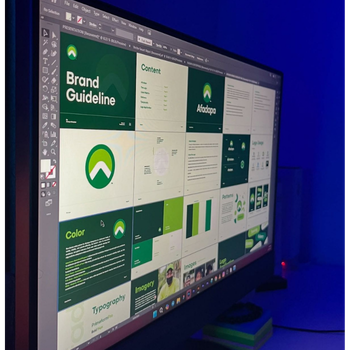
The strongest brands combine both.
Too much of one creates imbalance:
Balance is what creates longevity.
Instead of chasing trends, use them selectively.
Instead of chasing trends, use them sele
The goal is not to look trendy.
The goal is to look relevant and intentional.
Trends should never control your brand but they should inform it.
The best brands don’t copy what’s trending.
They understand why it’s trending and adapt it in a way that fits their identity.
Because at the end of the day, good design isn’t about what’s popular.
It’s about what works.

ARINN VISUALS is a creative agency offering graphic design, social media management, and web design services that help brands grow and stand out.
Copyright by ARINN VISUALS. All rights reserved.